FAQs
Contact us
Join the team
Belco

Los Manantiales

Guatemala - Jutiapa - Los Manantiales - Geisha Red - Washed - 733

GeishaWashed

Pick your crop :

Aromatic notes:

Spot price

€/kg


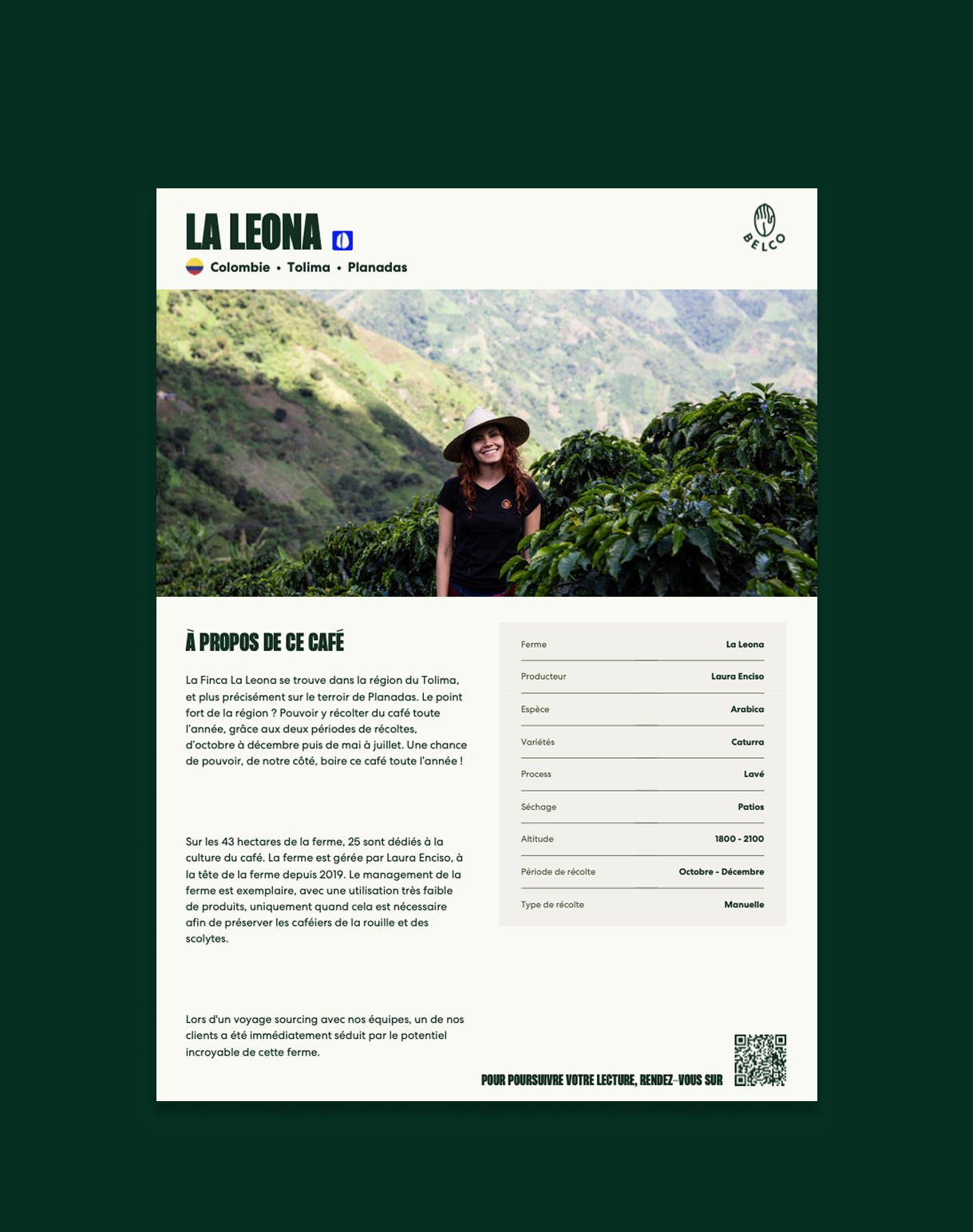
About this coffee

This batch of geisha comes from a plot that grower Ronald Pivaral has named "The Pines", after the pines that allow his coffee trees to grow under shade, at 1900 meters above sea level.

Here, the soil is mainly fertilized naturally, with lime and organic matter, particularly manure. The combination of these elements helps to nourish the soil just right for the coffee plants. Most of the organic matter comes from the trees surrounding the plot.

Only the ripest cherries are harvested to ensure a high sugar content. After harvesting, the cherries are washed and pulped as quickly as possible, for a very clean cup. The cherries are pulped without water to retain as much mucilage as possible.

The cherries are then placed in a concrete vat, where they ferment for 48 hours. The coffee is then washed with water and dried on a patio from 15 to 25  days, until it reaches a humidity level of between 10 and 12%.

Marketing tools & Certifications

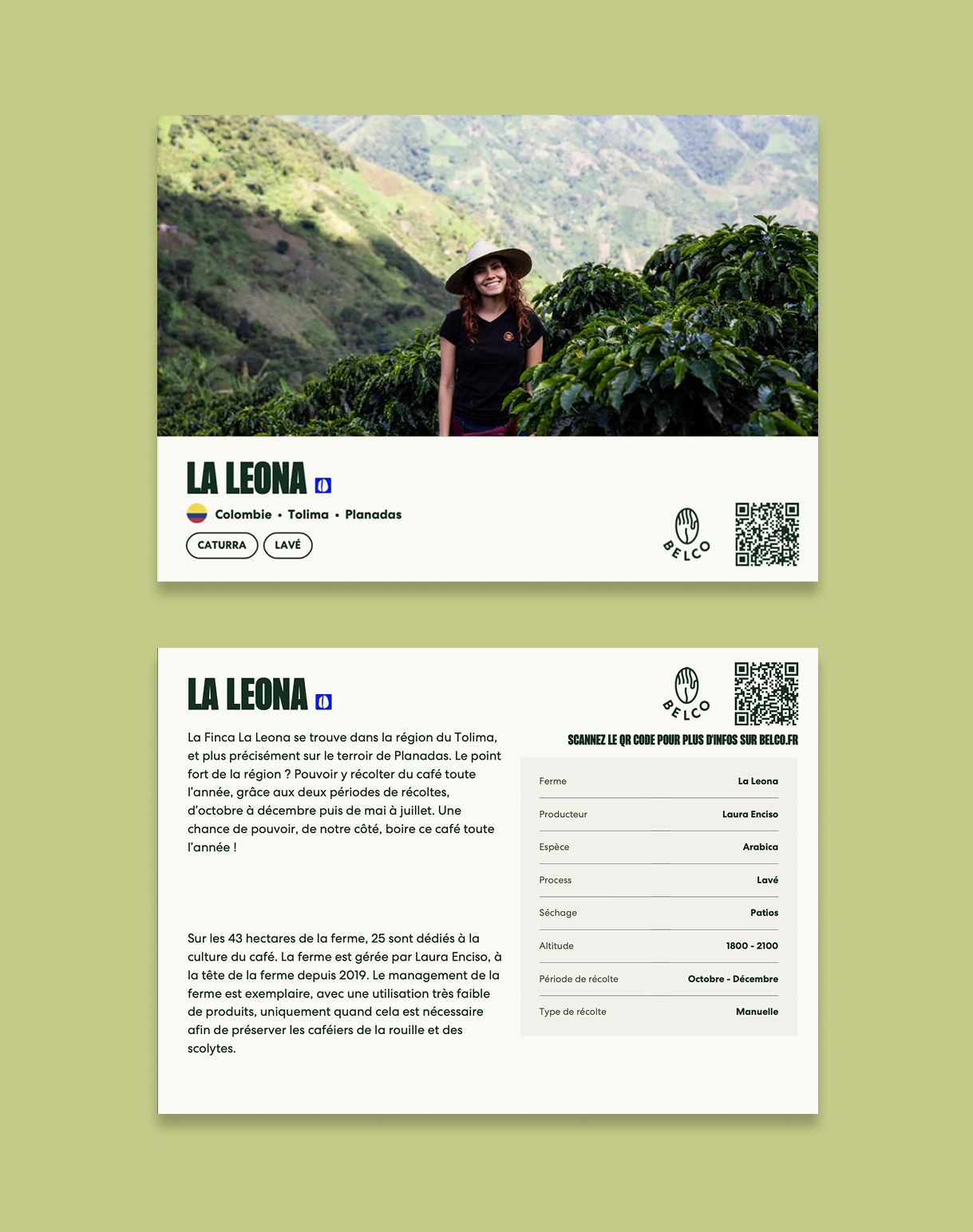
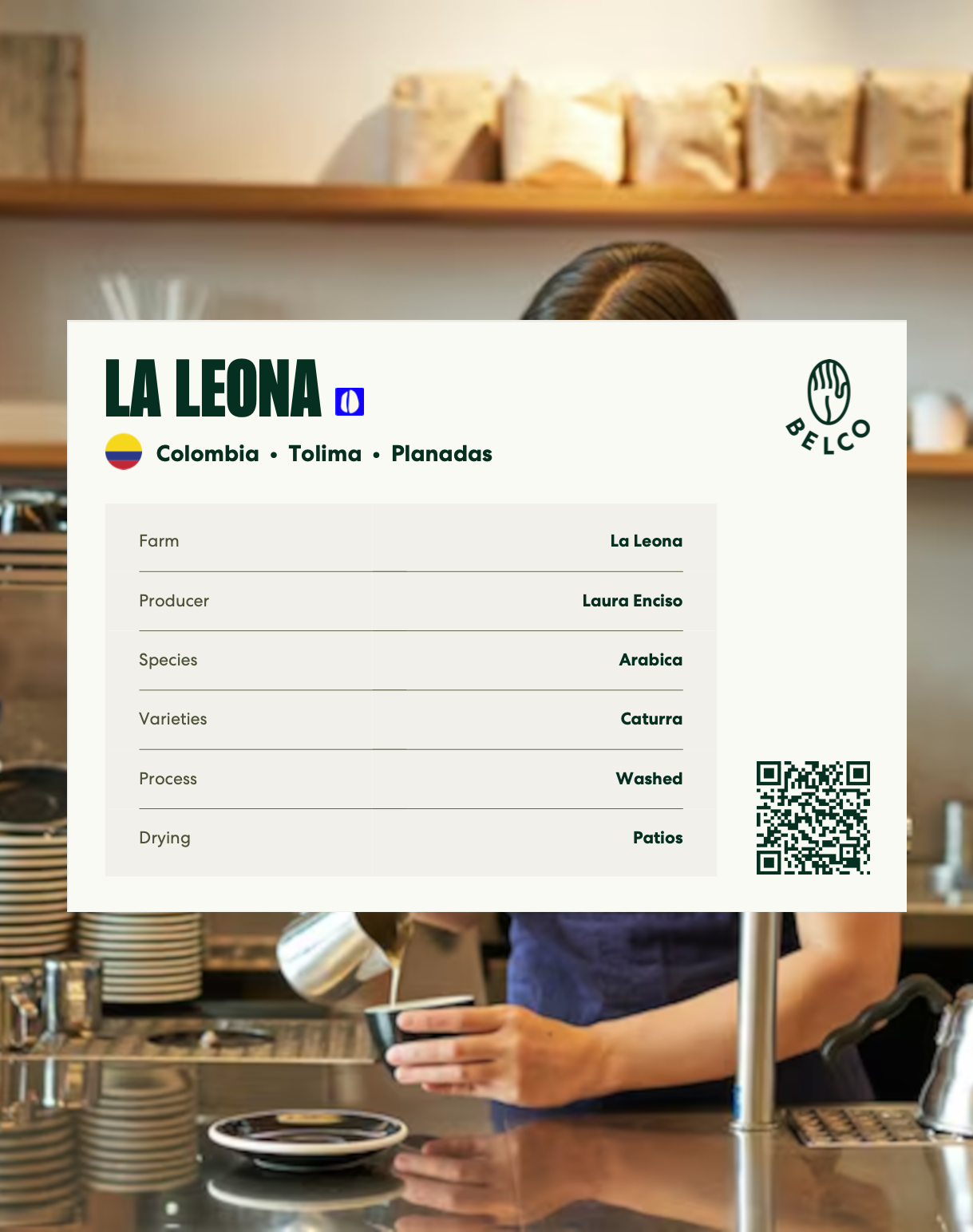
POS displays, postcards, QR codes for packaging, ...

  • Origin

    Guatemala
  • region

    Nuevo ORIENTE
  • terroir

    Jutiapa
  • Farm

    Los Manantiales
  • Producer

    Ronald Pivaral
  • Species

    Arabica
  • Variety

    Geisha

  • Process

    Washed

  • Drying

    Patios

  • Packaging

    35kg - Jute bags

  • Altitude

    1900
  • Area

    32 hectares
  • Harvest period

    January - April
  • Type of harvest

    Manual

Terroir Jutiapa

Southeast Guatemala's department of Jutiapa is surrounded by the departments of Santa Rosa to the southwest, Jalapa to the west, and Chiquimula to the north. Its eastern boundary is shared by Honduras. Located in the middle of the area is Jutiapa, the departmental capital. Jutiapa's economy is primarily based on agriculture, with major contributions coming from crops including beans, corn, sugar cane, and coffee.

Jutiapa's culture is a fusion of Spanish influences and native Maya ancestry. Its customs surrounding food, crafts, and festivals all attest to this. The area is well-known for its vibrant woodwork, ceramics, and textiles.

Jutiapa and other parts of Guatemala have seen an increase in the focus placed on sustainable methods of producing coffee in recent decades. Several coffee growers have embraced ecologically conscious agricultural practices and certifications like Fair Trade and Organic, with the goal of preserving the environment and enhancing the standard of living in coffee-growing regions.

The culture of processing and producing specialty coffees in Jutiapa is too poor, which is why the great potential that Jutiapa has in the production of specialty coffees has not yet been discovered.

Farmers usually produce traditional varieties and some Timor varieties due to the climate change, coffee leaf rust and the lack of knowledge about specialty coffees. This area is rich in forest which is another source of economy for the local people not only but forest helps to keep the source of water alive during the dry season as well as the forest is the house for gray fox, several birds species, rabbits and other little rodents.

Meet Ronald Pivaral

Learn more

A few words about Ronald Pivaral

Ronald Pivaral a commencé à s’occuper de la ferme familiale en 2012, puis s’est passionné pour les process et la manière dont ils affectent le profile aromatique d’un café. Il travaille avec Belco depuis 2024, grâce à notre sourceur Markos et son envie de travailler avec des producteurs jeunes et innovants.

La carrière de Ronald a démarré aux côté de son père, et d’amis tout aussi passionnés par la production de café. Ce qu’il aime dans le métier de producteur, c’est d’évaluer en cupping le travail réalisé à chaque récolte, et qui améliore le résultat en tasse, année après année.

Son challenge ? S’adapter au dérèglement climatique pour continuer à produire des bons cafés, et rester compétitif pour donner envie aux travailleurs saisonniers de travailler à Los Manantiales.

Ce qu’il aimerait que l’on retienne de lui ? Que le travail vers l’excellence paie toujours à la fin.

Equipments selection