FAQs
Contact us
Join the team
Belco

Pirineos

Salvador - Usulutan - Pirineos - Pacamara - Honey Anaerobic

PacamaraHoney Anaerobic

Pick your crop :

Aromatic notes:

Spot price

€/kg


Our suggestions

About this coffee

Tasting the Baraona family's Pacamaras is like tasting a piece of the history of speciality coffee. Today, the farm is run by son Diego, but it's impossible to miss his father, Gilberto, a pioneer in the development of this variety.

Before tragically succumbing to Covid-19, Gilberto Baraona was one of the country's most renowned producers. He was one of the first to plant Pacamara on his farms, as is still the case today at Los Pirineos.

Since taking over the family farm, his son Diego has continued the tradition, producing Pacamaras of excellent quality. Of course, with the same rigour and passion that drove his father to win several awards for this variety.

After being harvested, the coffee cherries are taken to the Los Pirineos drying station, where they are pulped while retaining their mucilage. Diego and his team then ferment them in barrels for 72 hours, before placing them on drying beds and stirring them regularly for 40 days to ensure even drying. The result is a super coffee with notes of pineapple, peach and honey.

Marketing tools & Certifications

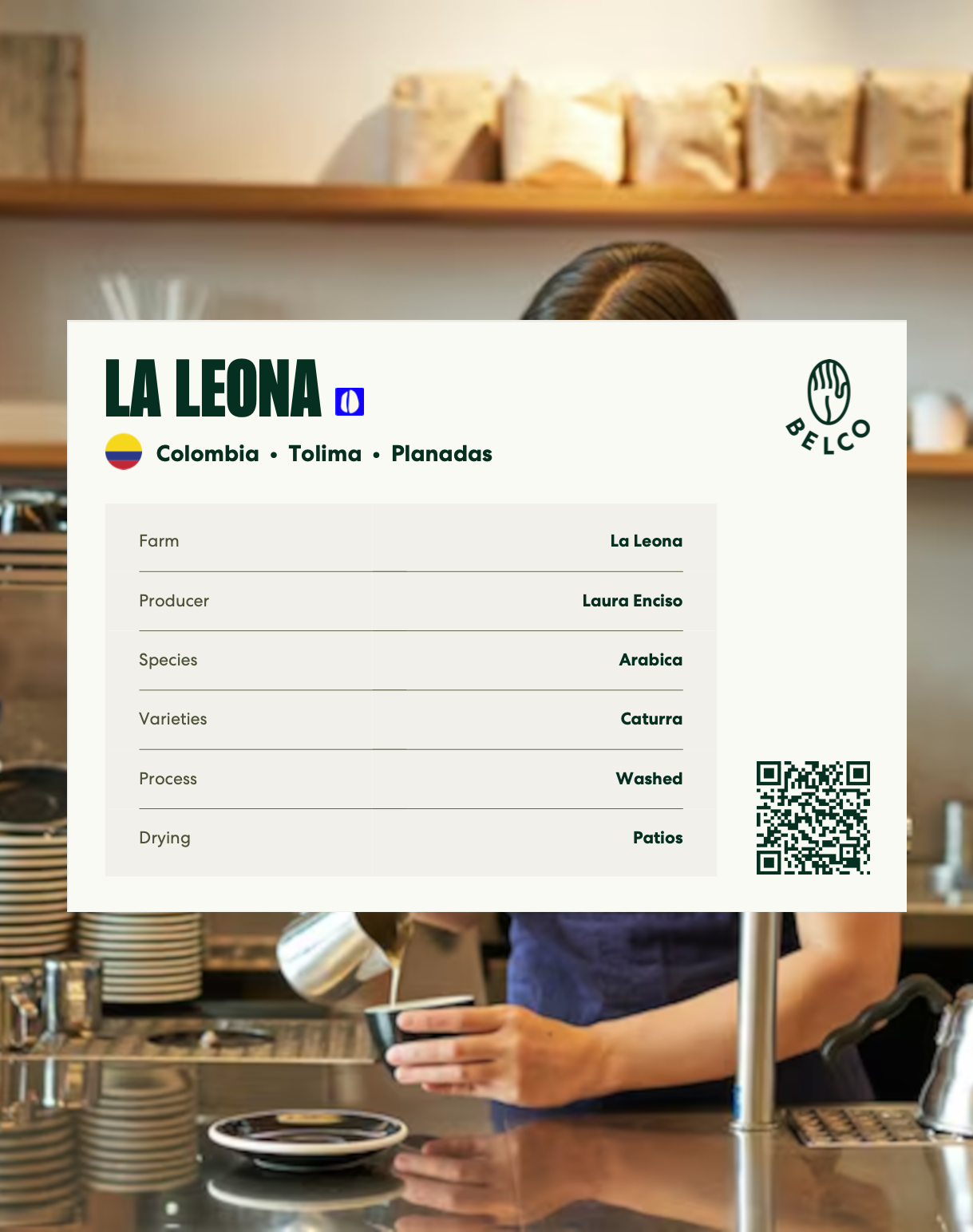
POS displays, postcards, QR codes for packaging, ...

  • Origin

    Salvador
  • region

    Tecapa Chinameca
  • terroir

    Usulutan
  • Farm

    Pirineos
  • Producer

    Famille Baraona
  • Species

    Arabica
  • Variety

    Pacamara

  • Process

    Honey Anaerobic

  • Drying

    Drying beds

  • Packaging

    69kg - Jute bags

  • Altitude

    1600
  • Area

    10 hectares
  • Harvest period

    December - April
  • Type of harvest

    Manual

region Tecapa Chinameca

Usulutan is a mountainous region in south-eastern El Salvador at an altitude of between 1,300 and 2,000 metres above sea level. The region is famous for its lagoons and thermal waters, as well as the Tecapa volcano, which rises to an altitude of 1,593 metres.  

Coffee has been grown in the region since the late 19th century. The region's rich volcanic soil, altitude and climate provide an ideal environment for growing speciality coffees. Most of the farms are small, family-run that favour sustainable, environmentally friendly practices, including shade-grown coffee. Some still retain their ancestral bourbons. Today, coffee is an integral part of the local economy, and the country's third-largest production zone.

Meet Famille Baraona

A few words about Famille Baraona

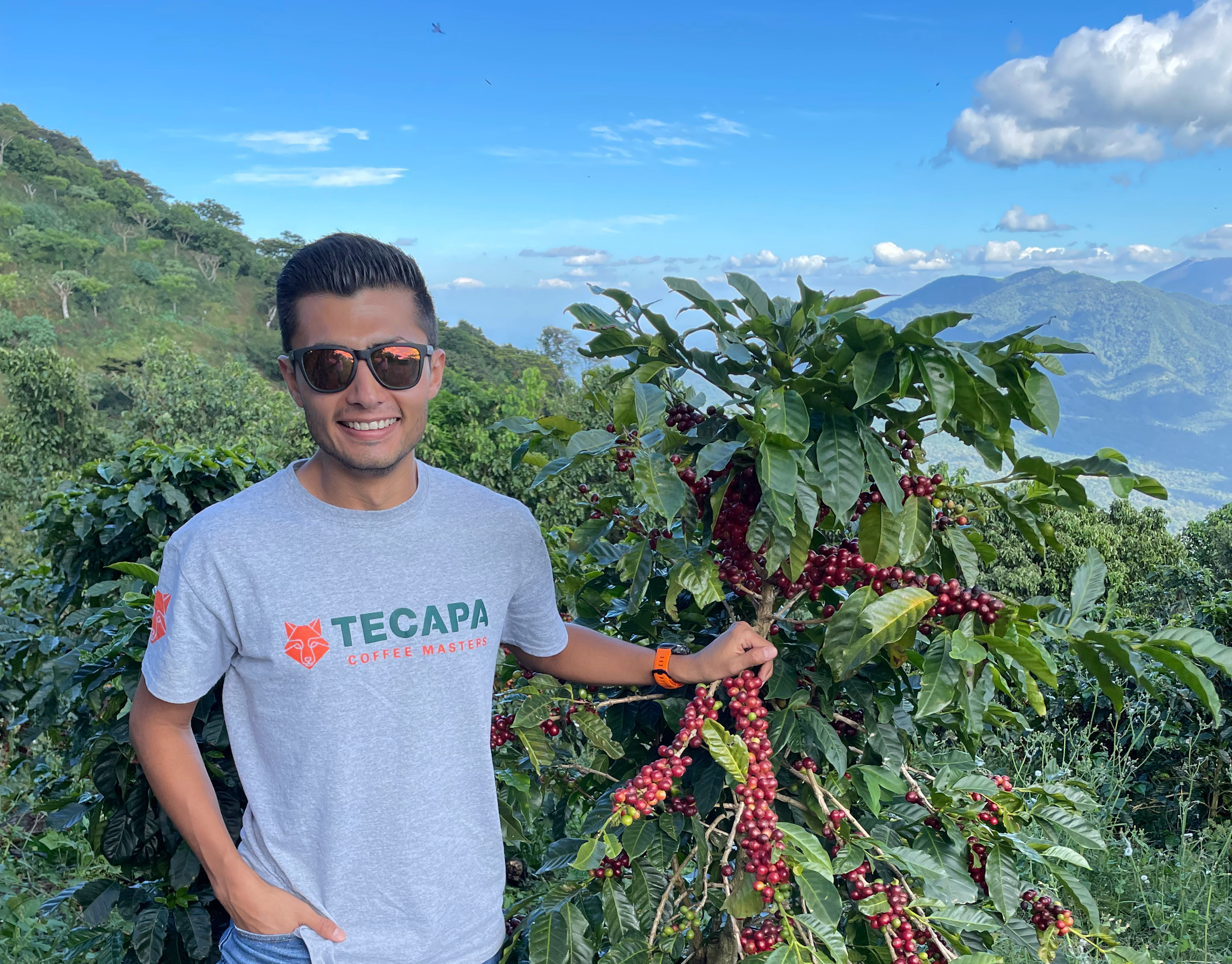
Diego Baraona is the manager of Los Pirineos, the family farm he took over at the end of 2020. By his own admission, Diego grew up "next to coffee". He is, in fact, part of the 5thᵉ generation of coffee growers.

If the farm is now a benchmark in speciality coffee, we owe it to Diego's father, the visionary Gilberto Baraona. He was responsible for transforming the farm into a speciality coffee farm in the late 2000s.

In 2020, while Diego was studying engineering in Barcelona, Spain, Gilberto died suddenly of Covid-19. Gilberto was a very well-known producer in El Salvador, having won numerous awards including El Salvador Coffee Farmer of the Year 2018 and 17 Cup Of Excellence awards.

At the age of 25, Diego had a choice to make: continue his studies or take over the farm with his mother, Fabiola, and his brothers. A question of destiny? Perhaps it was. But, above all, the desire to continue his father's work, and to perpetuate the family tradition of quality coffee: "When my father left, he left us a great legacy with Los Pirineos. It's a model farm, focused on quality. Today, I'm delighted to have taken over the running of Los Pirineos".

Coffees of Famille Baraona

Equipments selection